


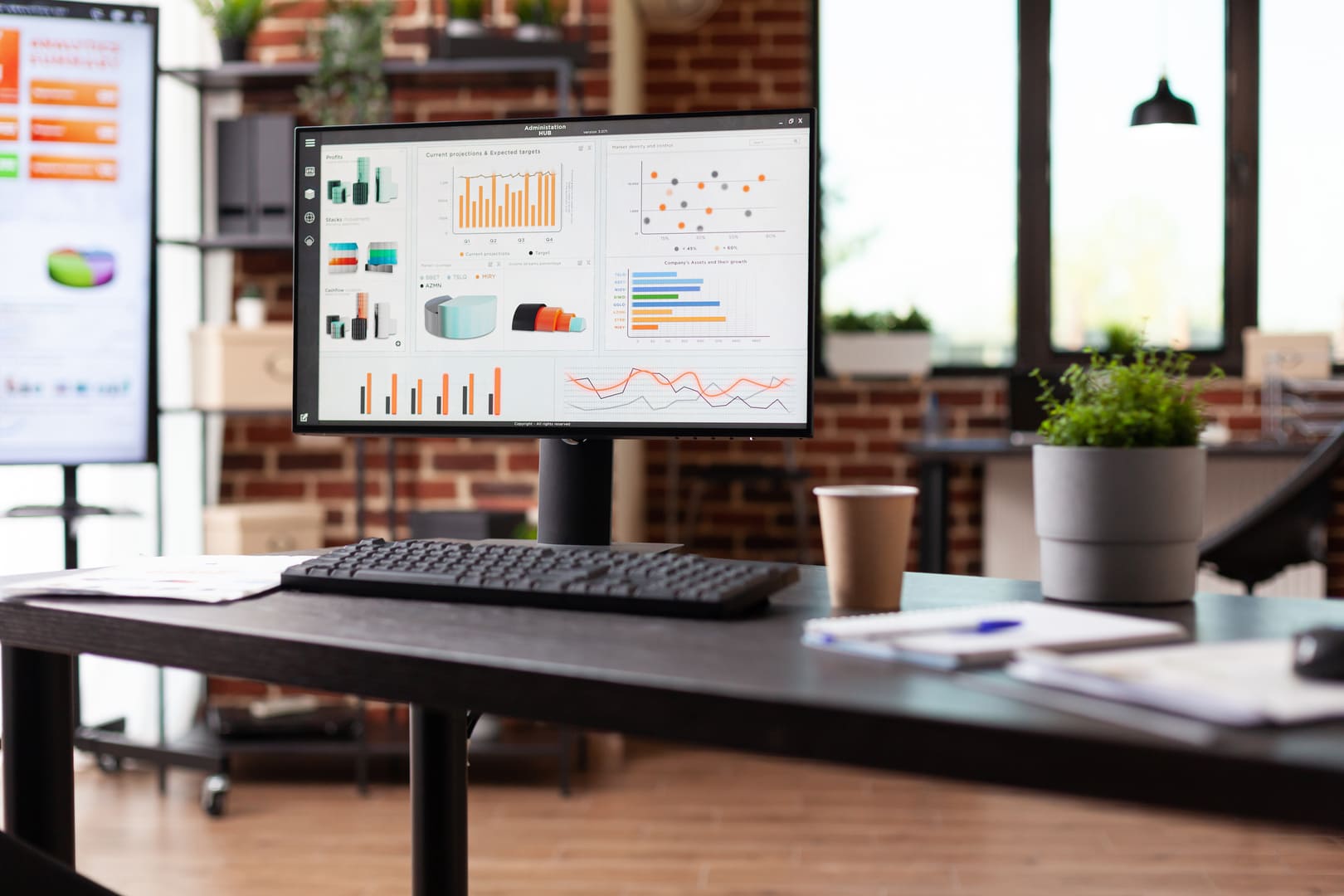
Running a restaurant without data insights is like flying blind. While sales numbers show what happened, advanced POS analytics explain why it happened — and what to do next.
A data-driven POS system collects operational data across sales, inventory, staff performance, and kitchen output. For example, real-time inventory monitoring helps restaurants track key ingredients and detect abnormal usage patterns before they turn into losses. Automated alerts allow managers to act immediately instead of discovering issues during monthly stocktakes.
Sales analytics go deeper than daily revenue totals. With half-hourly and weekly turnover reports, operators can pinpoint peak periods, slow hours, and underperforming menu items. This level of insight enables smarter pricing strategies, menu optimization, and staffing allocation.
Labor efficiency is another major cost factor. By analyzing hourly revenue against staff numbers and attendance records, restaurants can fine-tune schedules to avoid overstaffing or understaffing. Some systems even support photo-based clock-in to ensure accuracy and accountability.
Perhaps most powerful is intelligent menu promotion. High-margin dishes can be automatically recommended at the point of ordering — whether on staff tablets or customer self-ordering screens — increasing average order value without additional marketing spend.
With the right POS analytics, restaurants can shift from reactive management to proactive optimization.