


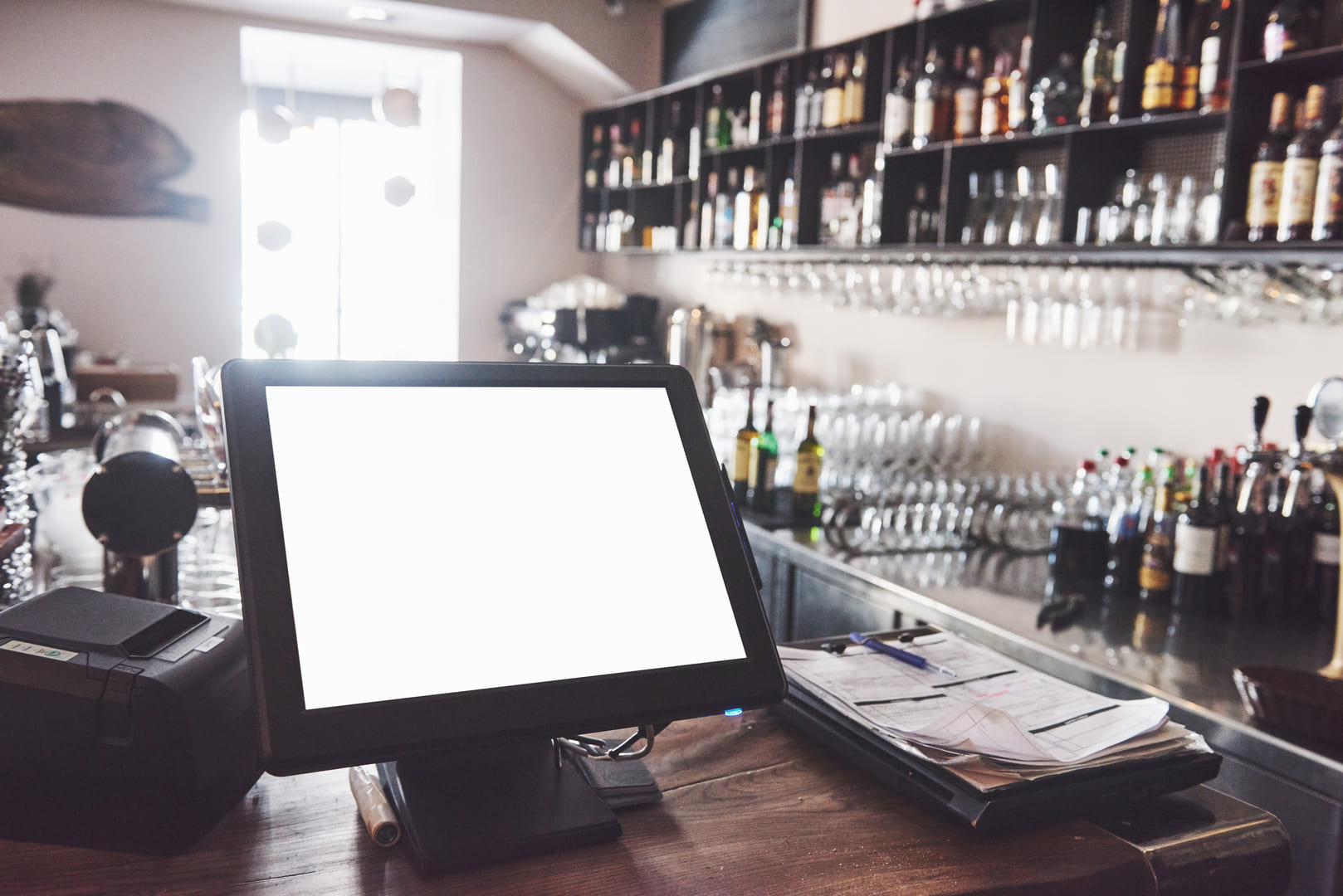
Choosing a POS system is a long-term business decision that impacts daily operations, customer experience, and scalability. With so many options available, it’s essential to evaluate more than just price.
First, consider operational reliability. A POS system should continue functioning even if the internet connection is unstable. Local data storage and offline operation capabilities ensure uninterrupted service during outages — a critical requirement for busy venues.
Second, look for end-to-end functionality. Modern restaurants need more than payment processing. Inventory management, staff scheduling, member loyalty programs, marketing tools, and reporting should be integrated into a single platform to avoid fragmented workflows.
Third, evaluate scalability. If you plan to expand to multiple locations, the POS must support centralized management, cloud configuration, and real-time visibility across stores. Features like central kitchen integration and unified data reporting become essential as operations grow.
Support quality is often overlooked but extremely important. Fast response times, remote troubleshooting, and on-site support can significantly reduce downtime and operational stress.
Finally, ensure the system aligns with your business model — whether you operate a café, full-service restaurant, takeaway shop, or chain group. The right POS system adapts to your business, not the other way around.